
Hover to zoom · click to enlarge
| Composition | Accflox-Dee eye drops |
|---|---|
| Packing | 10ML |
| SHELF LIFE | 24 MONTHS |
| HSN CODE | 3004 |
| Category | EYE/EAR/NASAL DROPS |
| Supply | Wholesale & Export |
ACCFLOX-DEE EYE DROP
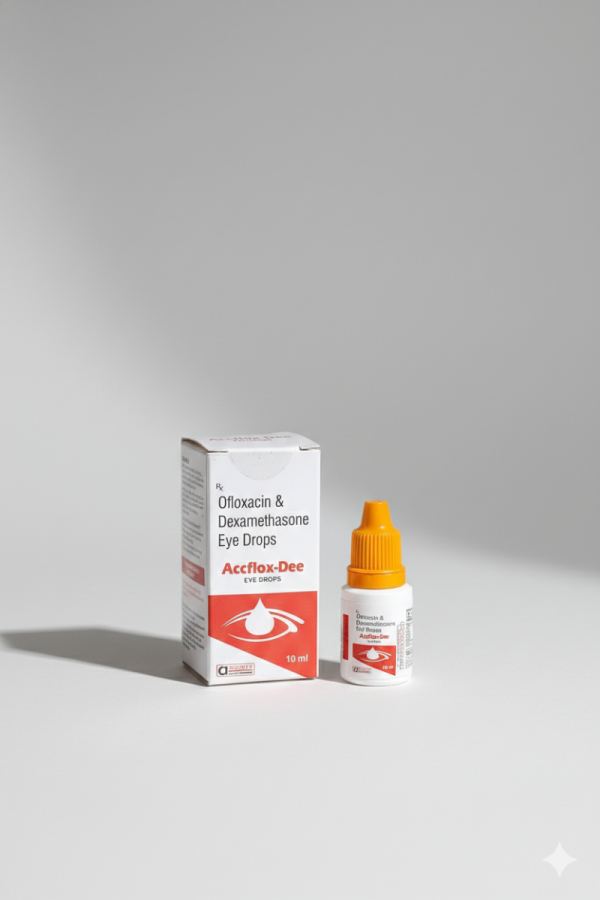
This image shows Accflox-Dee Eye Drops, a prescription combination eye medicine containing ofloxacin + dexamethasone.
Brand: Accflox-Dee
Ingredients: Ofloxacin + Dexamethasone
Dosage form: Eye drops
Pack size: 10 mL
Rx: Prescription medicine
The bottle has a screw/dropper nozzle for instilling the medicine into the eye.
The exact strength of each ingredient is not readable in this photograph, so I would not assume a particular concentration. Some products with this same combination contain ofloxacin 0.3% + dexamethasone 0.1%, but the concentration should be confirmed from your particular box/bottle. (1mg)
Ofloxacin is a fluoroquinolone antibiotic. In eye drops, it is used to treat susceptible bacterial eye infections, including bacterial conjunctivitis and some corneal infections. It works by interfering with bacterial enzymes needed for bacterial reproduction. (MedlinePlus)
It can help with symptoms such as:
Redness associated with bacterial infection
Discharge/pus
Irritation
Swelling caused by the infection
It does not treat ordinary viral or fungal eye infections.
Dexamethasone is a corticosteroid. It reduces inflammation, redness, swelling and irritation in the eye. (DailyMed)
This is the important difference between this medicine and a simple antibiotic eye drop: Accflox-Dee contains a steroid as well as an antibiotic.
The steroid can make an inflamed eye feel better quickly, but it can also suppress the local immune response. Steroid-containing eye preparations can worsen or mask certain infections, particularly herpes/other viral infections and fungal infections. (DailyMed)
Prolonged or inappropriate steroid use can also:
Increase eye pressure
Cause or contribute to glaucoma
Increase the risk of secondary infection
Delay healing
Contribute to cataract formation with prolonged use
Rarely cause serious corneal complications in susceptible eyes (DailyMed)
For that reason, this is not a good eye drop to self-start simply because an eye is red.
Wash your hands.
If the product is a suspension, shake it well before use.
Don't let the dropper tip touch your eye, eyelashes, fingers, or another surface.
Put only the prescribed number of drops into the affected eye.
Close the eye gently afterward rather than squeezing it tightly.
Wash your hands again.
Keeping the dropper sterile is important because contamination can introduce organisms into the eye. (MedlinePlus)
If you wear contact lenses, tell the prescribing doctor. Some ophthalmic formulations contain preservatives that can interact with soft lenses; contact lenses are generally removed before applying such drops and replaced according to the product's instructions. (MedlinePlus)
Get prompt medical evaluation if there is:
Severe eye pain
Sudden or significant blurred/decreased vision
Marked sensitivity to light
A white/gray spot on the cornea
Significant swelling around the eye
Eye injury/chemical exposure
Rash, facial swelling, or breathing difficulty after using the drops
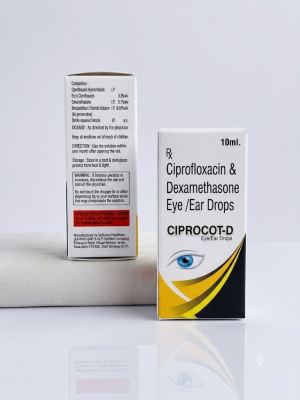
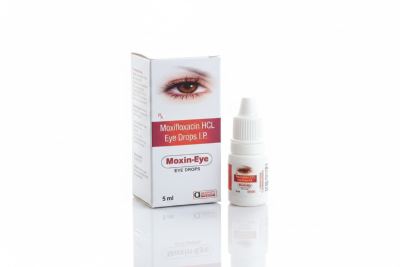
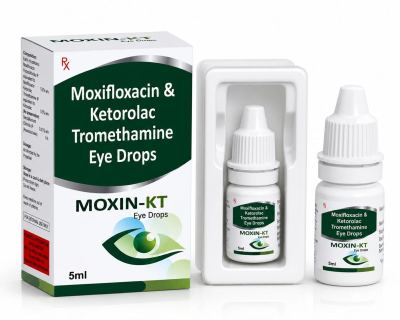
You have now shown four different products:
These medicines are not interchangeable, and the last one in particular should be used only for the eye condition for which it was prescribed.
If these four medicines were prescribed together for the same child, tell me the child's age, weight, symptoms, and what the doctor diagnosed. I can then explain why each medicine may have been prescribed, how they relate to one another, and what precautions to watch for—without guessing the doses.
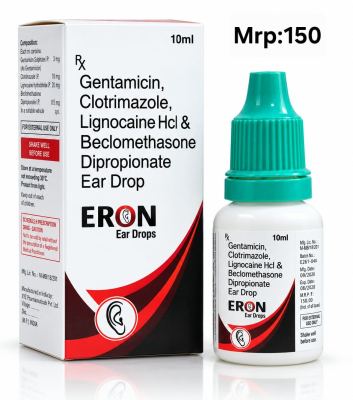
Gentamicin Sulphate IP — 3 mg (equivalent to Gentamicin) Clotrimazole IP — 10 mg Lignocaine Hydrochloride IP — 20 mg Beclomethasone Dipropionate IP 0.5MG ear drop
10ML