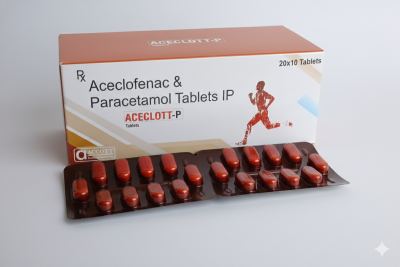
Tablets
ACECLOTT-P TAB( AMBER PVC)
Aceclofenac & Paracetamol Suspension IP
20*10 (BLISTER) AMBER PVC
Hover to zoom · click to enlarge
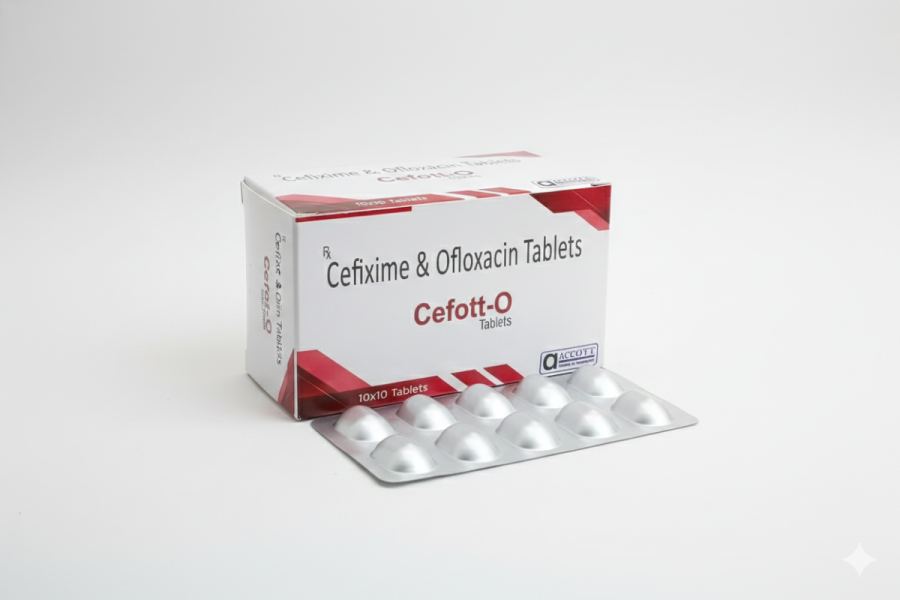
| Composition | Cefixime & Ofloxacin Tablets. |
|---|---|
| Packing | 10*10ALU |
| SHELF LIFE | 24 MONTHS |
| HSN CODE | 3004 |
| Category | Tablets |
| Supply | Wholesale & Export |
Cefott-O Tablets from Accott Healthcare. The front of the pack states “Cefixime & Ofloxacin Tablets” and shows a 10 × 10 tablet pack.
I checked the manufacturer's product information as well. Accott lists Cefott-O as containing Cefixime 200 mg + Ofloxacin 200 mg per tablet; the product listing for the tablet pack also specifies 100 tablets (10 strips × 10). (Accott Healthcare India Inc)
This 200 mg + 200 mg strength is also documented for other marketed cefixime/ofloxacin formulations. (Zuventus)
Cefixime is a third-generation cephalosporin antibiotic.
It works primarily by interfering with the formation of the bacterial cell wall. Without a functioning cell wall, susceptible bacteria cannot survive.
It can be used for certain susceptible bacterial infections, including some:
Urinary-tract infections
Respiratory infections
Ear/throat infections
Certain gastrointestinal infections
Enteric/typhoid fever, where appropriate
Certain sexually transmitted bacterial infections
Cefixime does not treat viral infections, such as the common cold or influenza. Unnecessary antibiotic use increases the risk of antibiotic resistance. (MedlinePlus)
Ofloxacin is a fluoroquinolone antibiotic.
Its mechanism is different from cefixime. It interferes with bacterial enzymes involved in DNA replication—particularly DNA gyrase and topoisomerase IV—so susceptible bacteria cannot properly reproduce or repair their DNA. (Spey)
Because cefixime and ofloxacin act differently, the combination provides antibacterial activity through two different mechanisms.
The combination is intended to provide broader antibacterial coverage than either drug alone in selected situations.
Some Indian product information lists this combination for conditions such as typhoid fever and urinary-tract infections in adults. (Zuventus)
However, this does not mean it should be used for every fever, diarrhea, cough, or infection. The choice of antibiotic should depend on the suspected/confirmed organism, local resistance patterns and the patient's circumstances.
In particular, antibiotic combinations should not be taken simply because a person has a fever.
Important side effectsEither component can cause gastrointestinal symptoms such as:
Nausea
Diarrhea
Abdominal discomfort
Vomiting
Indigestion
Cefixime specifically commonly causes gastrointestinal adverse effects. (MedlinePlus)
Ofloxacin deserves particular attention because it belongs to the fluoroquinolone class.
Rare but potentially serious adverse effects can include:
Tendon inflammation or tendon rupture
Peripheral nerve problems such as burning, tingling, numbness or weakness
Central nervous-system effects such as dizziness or unusual neurological symptoms
Serious allergic reactions
Blood-glucose disturbances in susceptible people
Worsening of muscle weakness in people with myasthenia gravis
Fluoroquinolone-associated tendon problems can occur even in adults who are not elderly, although the risk is higher in older people and those taking corticosteroids. (Blue Cross Laboratories)
If significant tendon pain/swelling develops while taking ofloxacin, stop strenuous exercise and contact the prescribing doctor promptly.
Who should be particularly careful?Tell the doctor before taking this medicine if you have:
Previous allergy to cephalosporins, penicillins or quinolone antibiotics
Kidney disease
Liver disease
A history of tendon problems
Myasthenia gravis
Seizure disorders
Heart-rhythm problems
Diabetes or problems with blood glucose
Pregnancy or breastfeeding
Cefixime should not be used in people with a known serious allergy to cefixime or other cephalosporins. (DailyMed)
How it is generally takenFor the 200 mg cefixime + 200 mg ofloxacin formulation, some manufacturer prescribing information specifies one tablet twice daily, but the actual dose and duration should be determined by the prescribing doctor. (Intas Pharma)
It can generally be taken with or without food, depending on the specific product instructions. Swallow the tablet with water.
Do not independently increase the dose or extend the course.
And if it has been prescribed as a course of antibiotics, don't stop early merely because symptoms have improved unless your doctor tells you to change the treatment.
Tell your doctor/pharmacist about all medicines you're taking.
Particular attention is needed with medicines such as:
Antacids containing aluminium/magnesium
Iron or mineral supplements
Certain medicines affecting heart rhythm
Corticosteroids such as prednisolone
Warfarin and other anticoagulants
Certain diabetes medicines
Medicines affecting the nervous system
Cefixime can interact with warfarin/anticoagulants, potentially increasing prothrombin time, and elevated carbamazepine levels have also been reported. (DailyMed)
Cefott-O is an antibiotic.
It is completely different from the Chymocott tablet you showed earlier:
Chymocott: Trypsin + Chymotrypsin + Aceclofenac + Paracetamol → mainly pain, inflammation and swelling
Cefott-O: Cefixime + Ofloxacin → bacterial infection
So if a doctor prescribed both together, they are being used for different purposes: one addresses pain/inflammation while the other addresses a suspected bacterial infection.
Because Cefott-O contains two antibiotics, it should be used only when prescribed/appropriate for the infection, rather than for routine viral fever or a common cold. (MedlinePlus)
If you want, I can also explain Cefott-O + Chymocott together — why a doctor might prescribe both, when to take each, whether they can be taken together, and the important precautions.
Aceclofenac & Paracetamol Suspension IP
20*10 (BLISTER) AMBER PVC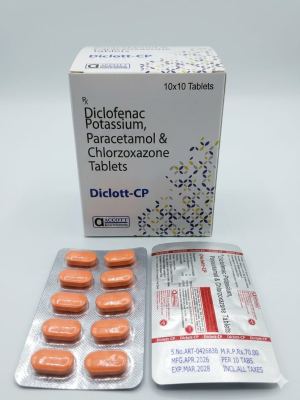
Diclofenac Potassium, Paracetamol & Chlorzoxazone Tablets.
10*10BLISTER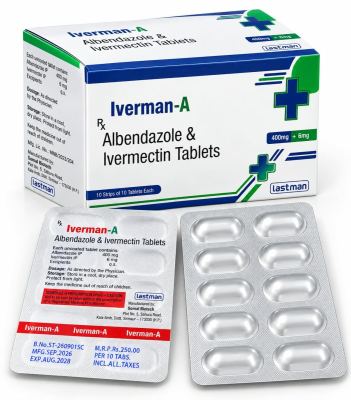
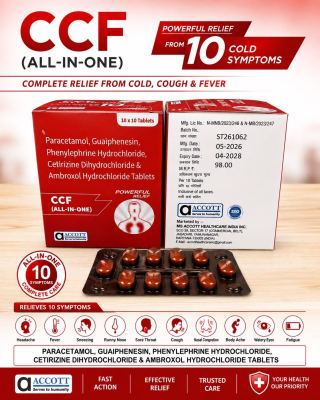
Paracetamol + Guaiphenesin + Phenylephrine Hydrochloride + Cetirizine Dihydrochloride + Ambroxol Hydrochloride
10*10BLISTER